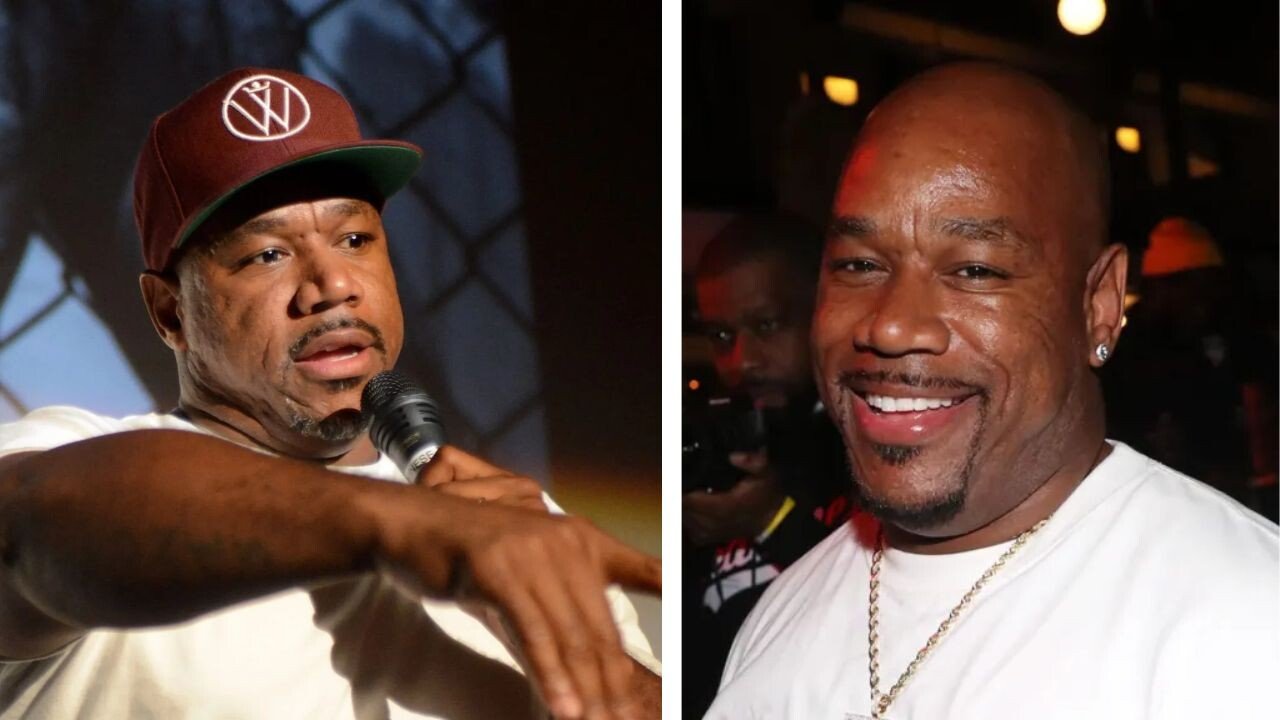
Wack 100, identified in reputable reporting as Cash Jones, built his professional path through several distinct stages before becoming known for artist management and entertainment business work. He has traced that path back to financial hardship in Pacoima, California, followed by trucking, real-estate investment, and eventually a more established role managing artists and developing business ventures.
His own interviews provide much of the clearest information about that transition. Rather than describing management as a distant administrative position, he has presented it as hands-on work involving communication, marketing, publishing, financial matters, professional resources, and direct involvement with the people he represents. His documented management relationships include The Game and Blueface, while 100 Entertainment gave him a platform for broader business and artist-development plans.
| Field | Details |
|---|---|
| Public Name | Wack 100 |
| Name | Cash Jones |
| Background | Identifies Pacoima, California, as the community he came from |
| Profession | Music manager, record executive, label operator, and entrepreneur |
| Business | 100 Entertainment |
| Management Work | Documented professional relationships include The Game and Blueface |
| Earlier Career | Worked in trucking before becoming established in entertainment |
From Pacoima and Early Financial Struggles to Trucking
Wack 100 has directly identified Pacoima, California, as the community he came from. In interviews discussing his childhood, he has also described a household affected by financial difficulties and an unstable relationship with his father, who he said struggled with addiction and was often absent.
He has recalled taking on small money-making responsibilities at a young age. According to his own account, he sold candy and used part of the money to help with household expenses. He has also spoken about older brothers and the street activity he witnessed while growing up, though those family details come from his own recollections rather than independent family records.
His working life later included trucking. In a 2022 interview, he recalled a period when he drove an older Honda, earned $6.50 per hour, and tried to make professional progress while continuing to work. He described balancing truck-driving responsibilities with meetings connected to opportunities he was pursuing.
In a separate 2023 interview, Wack said trucking became his first major source of financial success. He also said he later used money from that work to invest in real estate. His statements about how much he earned are self-reported, but trucking is a recurring and consistent part of the career history he has described publicly.
That period is important to understanding his professional transition later in his career. He did not describe entering artist management as his first source of income or his first business experience. Instead, he has presented trucking as part of the financial foundation that preceded his entertainment work.
Building a Career Around Artist Management
Wack 100 eventually established a public career as a manager, record executive, label operator, and entrepreneur. His documented management relationships include The Game and Blueface, two artists he has often cited when explaining how he works and what he expects from a manager.
His description of management extends beyond arranging meetings or negotiating opportunities. He has said the job can involve communications, marketing, radio, publishing, financial splits, and making sure artists have access to the professional resources they need.
He has also emphasized involvement in practical situations surrounding his clients. Rather than remaining removed from events, he has described attending clubs and other appearances with the people he represents. For him, management has included being present enough to understand what is happening around an artist rather than relying entirely on information passed back afterward.
He describes that working method as focusing on responsibility, access, business coordination, and staying close to the day-to-day situations affecting the people he manages. His own explanation focuses heavily on responsibility, access, business coordination, and staying close to the day-to-day situations affecting the people he manages.
Why Wack 100 Describes His Management Style as Hands-On
Wack 100 has directly described himself as protective of the artists and people around him. He has linked that attitude to his willingness to put himself in situations involving clients instead of keeping his distance.
He has also referenced earlier security experience when explaining this part of his professional approach. In his account, being physically present is not simply about visibility. It allows him to respond to issues as they happen and gives him a clearer understanding of circumstances surrounding an artist.
That approach also influences how he views communication. He has described management as a role that requires knowledge of both business and the environment in which an artist is operating. Administrative responsibilities remain important, but his version of the job includes direct participation.
His description is a self-characterization rather than an independent judgment about his personality. Still, it helps explain why he has repeatedly described management as active, protective, and closely involved.
Expanding His Business Through 100 Entertainment
Wack 100 has discussed 100 Entertainment as an important part of his business work. Through the company, he has talked about developing artists and building an operation that can continue beyond his own daily involvement.
He has addressed artist development directly. He has argued that the industry should place greater emphasis on helping performers improve over time rather than evaluating them mainly by the online audience they already have. In his view, existing social-media numbers should not replace the longer process of developing talent.
His plans for 100 Entertainment have also been connected with broader financial goals. He has spoken about creating businesses that can produce generational wealth and leave a legacy for his children and others close to him.
This places the company within a larger business strategy rather than presenting it only as a vehicle for individual management deals. His comments describe an operation intended to develop talent, create opportunities, and eventually support a new generation of leadership.
The Cash Money West Expansion
Another significant development came when Wack 100 and Birdman publicly announced Cash Money West in 2018. The venture was presented as a West Coast extension connected with Cash Money Records, expanding Wack’s role beyond managing individual clients.
At the time, he said he had been named a vice president in the operation. The announcement linked his Los Angeles-based work to a larger record-business structure and marked a broader executive step in his career.
Reporting surrounding the launch also discussed a proposed financial budget for the venture, but that amount was not independently confirmed through a matching corporate financial disclosure. The more firmly supported point is the publicly announced partnership, Wack’s stated vice-presidential role, and the plan to build a West Coast operation.
The venture fits the broader pattern of his career during this period: combining artist management with label operations, business development, and efforts to build structures that identify and support new talent.
Preparing the Next Generation for Business Responsibility
Family has appeared in Wack 100’s business discussions mainly through his comments about succession and long-term financial planning. In his 2022 interview, he identified his daughter, Devyn Jones, as someone whose judgment he trusted when evaluating music.
He said he was preparing Devyn to take on greater responsibility within 100 Entertainment. He called her a protégé and discussed her involvement in A&R-related work, framing her development as part of his longer-term plans for the business.
Wack has also directly discussed an adult son. While explaining his approach to parenting, he said his children grew up in a different environment from the one he experienced. He specifically said his son was not involved in gangs and described that difference as intentional.
His comments about generational wealth connect these family priorities with his business decisions. He specifically described preparing Devyn to understand the work and take on greater responsibility within 100 Entertainment.
Public Communication and Industry Views
Wack 100 has said he prefers to remain accessible to people from the communities he came from. He has explained that professional success or money should not automatically create distance between him and people who want to speak with him in ordinary settings or communicate with him online.
That accessibility has also shaped some of his public activity on Clubhouse. He has described organizing discussions that brought together people from street backgrounds and LGBTQ participants to improve communication, understand respectful terminology, and explore ways different groups could interact more constructively.
His public comments have also included a direct message to younger people about street and gang involvement. Despite frequently discussing his own exposure to that environment, he has advised young people not to make it a priority and has encouraged them to surround themselves with positive influences.
Professionally, he has used public interviews to argue for stronger artist development. He argues that the industry should give talented people room to grow instead of treating established online popularity as the main qualification for opportunity.
These views connect with the practical side of his management work. He has repeatedly presented professional development as something that requires time, access, guidance, and direct involvement rather than simply signing someone who already has measurable attention.
His Management Work Remains Active
Wack 100 discussed plans in 2022 to reduce his involvement in the music business within roughly two years and devote more attention to other businesses while preparing Devyn for greater responsibility.
His later activity indicates that the transition did not become a complete withdrawal. In January 2026, he was still publicly discussing professional relationships with both The Game and Blueface.
Regarding The Game, Wack explained that they remained professionally connected, even though the rapper could handle more responsibilities independently. His description suggested an evolving management relationship rather than a clean break.
He also continued to discuss Blueface as a client during the same 2026 interview. No public management contracts were reviewed, so the exact legal terms of either relationship remain private, but Wack’s own comments establish that artist management was still part of his professional activity.
That later work adds useful context to his earlier plans to step back. By January 2026, his own comments indicated that he had not completely left the management work that became central to his public career.
Conclusion
Wack 100’s documented career developed from early financial struggle and trucking into a broader business life centered on artist management, label operations, and talent development. His own accounts describe trucking as an important financial foundation before he became established in entertainment.
His management philosophy is equally clear in the interviews he has given: direct involvement, close communication, artist development, and practical responsibility remain central to how he explains the job. Through 100 Entertainment, his work with established clients, and his efforts to prepare Devyn Jones for greater responsibility, he has also connected professional management with longer-term business succession.
By 2026, Wack 100 was still discussing professional relationships with The Game and Blueface, so artist management remained part of his work after he had previously considered reducing his involvement.
You can also read: Zola Ivy Murphy Models for Miu Miu and Publishes Essays.