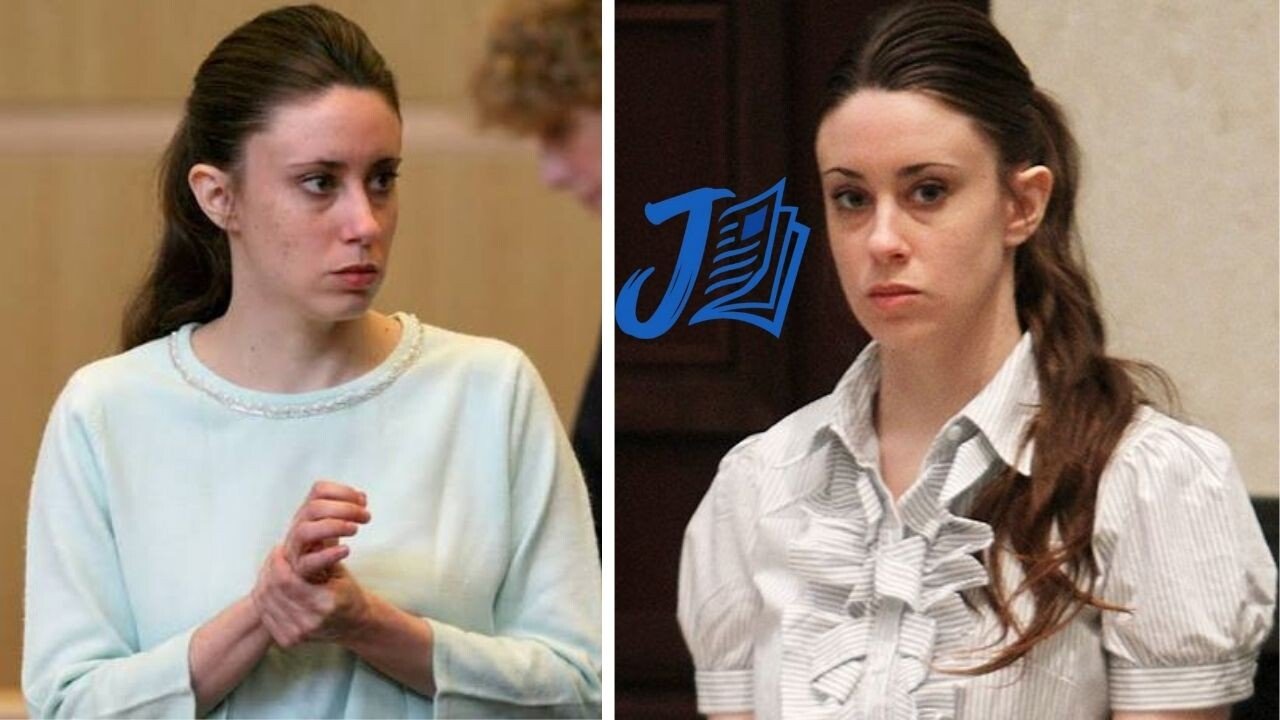
Casey Anthony became nationally known through the investigation and 2011 Florida trial concerning the death of her daughter, Caylee Anthony. The jury acquitted her of first-degree murder, aggravated child abuse, and aggravated manslaughter of a child, while convicting her on four misdemeanor counts of providing false information to law enforcement.
In February 2017, Anthony gave five on-the-record interviews to the Associated Press while also performing investigative work for private investigator Patrick McKenna. In 2025, she returned to public-facing online activity as a self-described legal advocate and researcher. Her current public role is best understood separately from the unresolved questions surrounding Caylee’s death and the legal findings from the original case.
Quick Facts
| Field | Details |
|---|---|
| Public identity | Became nationally known through the investigation and trial concerning the death of her daughter, Caylee Anthony |
| Trial outcome | Acquitted of first-degree murder, aggravated child abuse, and aggravated manslaughter |
| False-information convictions | Initially convicted on four misdemeanor counts of providing false information to law enforcement |
| Appeal result | Two of the four false-information convictions were later vacated |
| Investigative work | Worked for private investigator Patrick McKenna |
| Current public role | Describes herself as a legal advocate and researcher |
| Public writing | Publishes legal and civic commentary through Beyond Case. |
| Current project | Developing a memoir titled Who is she really? |
The 2011 Verdict and Its Legal Aftermath
On July 5, 2011, the jury found Anthony not guilty of the most serious charges against her: first-degree murder, aggravated child abuse, and aggravated manslaughter of a child.
She was convicted, however, on four misdemeanor counts related to false information she had provided to law enforcement during the investigation into Caylee’s disappearance.
The legal record changed again in January 2013, when the Florida Fifth District Court of Appeal ruled that two of those four misdemeanor convictions had to be vacated on double-jeopardy grounds. The court concluded that the statements involved two criminal episodes rather than four separately punishable offenses.
That appellate decision concerned the false-information convictions. It did not determine how Caylee died or alter the jury’s acquittals on the homicide-related charges.
What the Official Record Establishes About Caylee Anthony’s Death
Caylee Anthony had been missing for approximately a month before she was reported missing in July 2008. Her remains were found near the Anthony family home on December 11, 2008.
The Office of the Medical Examiner, District Nine, classified her manner of death as homicide and described the cause as homicide by undetermined means. The precise mechanism of death could not be established.
That distinction is central to understanding the case. The medical examiner classified the death as a homicide, but the finding did not identify a responsible person. At trial, prosecutors argued that Caylee had been intentionally killed, while the defense presented an accidental-drowning theory.
The jury acquitted Anthony of the major charges.
Casey Anthony’s 2017 Public Interviews
In February 2017, Anthony gave five on-the-record interviews to the Associated Press. They were among her most substantial public comments about the case after the trial.
During those interviews, she said she still did not know exactly what had happened during Caylee’s final hours. She also continued to deny committing the crimes of which she had been acquitted.
Anthony acknowledged that she understood why many people who had followed the case through extensive media coverage had formed strongly negative views of her. Those comments described her own perspective on the difference between the legal outcome and continuing public opinion.
She also spoke directly about Caylee, saying her daughter remained central to her life. The AP reporter who interviewed her observed photographs and artwork by Caylee in Anthony’s home and reported that she became emotional while discussing her daughter.
Those interviews provide first-hand insight into Anthony’s post-trial views, but her recollections remain her own account rather than an independent explanation of what happened in 2008.
Investigative Work After the Trial
By 2017, Anthony was working for private investigator Patrick McKenna, who had previously worked with her defense team.
She told the Associated Press that her duties included online social-media searches and other forms of investigative research. She also said that her own experience with the justice system had influenced her interest in helping defendants have the facts of their cases fully presented.
At the time, Anthony said she hoped to obtain a private investigator license. She said she hoped to obtain a private investigator license, but the cited record contains no confirmed information that she later received one.
Her work for McKenna provides documented evidence that she was performing investigative research by 2017.
Her Return as a Self-Described Legal Advocate
Anthony returned to public-facing online activity on March 1, 2025, describing herself as a legal advocate and researcher.
In her own statements, she said legal advocacy mattered to her because she believed people were often judged before legal proceedings were complete and that many people did not fully understand their rights. She also said she intended to support women’s rights and the LGBTQ community through her public platform.
Her use of the term “legal advocate” is self-described. Her description of herself as a legal advocate does not mean she is a lawyer or licensed attorney, and the cited material does not establish any formal legal credential.
Anthony also said in 2025 that she had worked in the legal field since 2011. Independent reporting confirms that she was performing investigative work by 2017, but it does not provide a year-by-year professional record proving uninterrupted legal-field employment from 2011 onward.
Her documented public activity includes investigative research, advocacy-oriented commentary, and online writing.
Beyond Case. and Her Current Public Writing
Anthony uses a Substack publication titled Beyond Case. to publish commentary on legal rights, civic issues, and public-policy subjects.
Her posts remained active into 2026, including material published in February and July. Because these writings come directly from Anthony, they help explain the subjects she has chosen to address and the positions she publicly identifies with.
Her later writing continued themes she had emphasized in 2025, including legal rights and due process.
Her statements about external events, legal issues, statistics, or other people are separate from the fact that she publishes the material. Her Substack reliably documents her own views and current activity, rather than independently proving every factual assertion within those posts.
Her 2026 Memoir Project
Anthony announced another public project in April 2026: a planned memoir titled Who Is She Really?
She began sharing preview material connected with the project through Substack. In a May 15, 2026 update, she said she was still finishing the manuscript and that editing would follow.
The project therefore remained in development at that point. As of May 15, 2026, it remained a planned memoir with preview material available online rather than a completed commercially published book.
The memoir project adds another element to her renewed public activity, alongside her advocacy-focused writing and legal commentary.
Understanding Casey Anthony’s Post-Trial Public Role
Casey Anthony’s public history after the 2011 trial can be separated into several documented phases. The legal record establishes her acquittals on the major charges, her misdemeanor false-information convictions, and the later appellate decision vacating two of those convictions. The medical examiner’s findings establish that Caylee’s death was classified as homicide by undetermined means, while leaving the exact circumstances unresolved.
By 2017, Anthony was performing investigative work and speaking publicly about her interest in defense-related research. Her later return to public life expanded that activity into self-described legal advocacy, public commentary, and writing.
Her documented post-trial activity centers on investigative research, legal-rights commentary, advocacy, and online writing rather than a confirmed licensed legal role. Her documented post-trial public activity has included investigative research, legal-rights commentary, advocacy, and a developing memoir project.
You can also read: Allison Holker on Mental Health Advocacy and Memoir This Far.
1 Comment