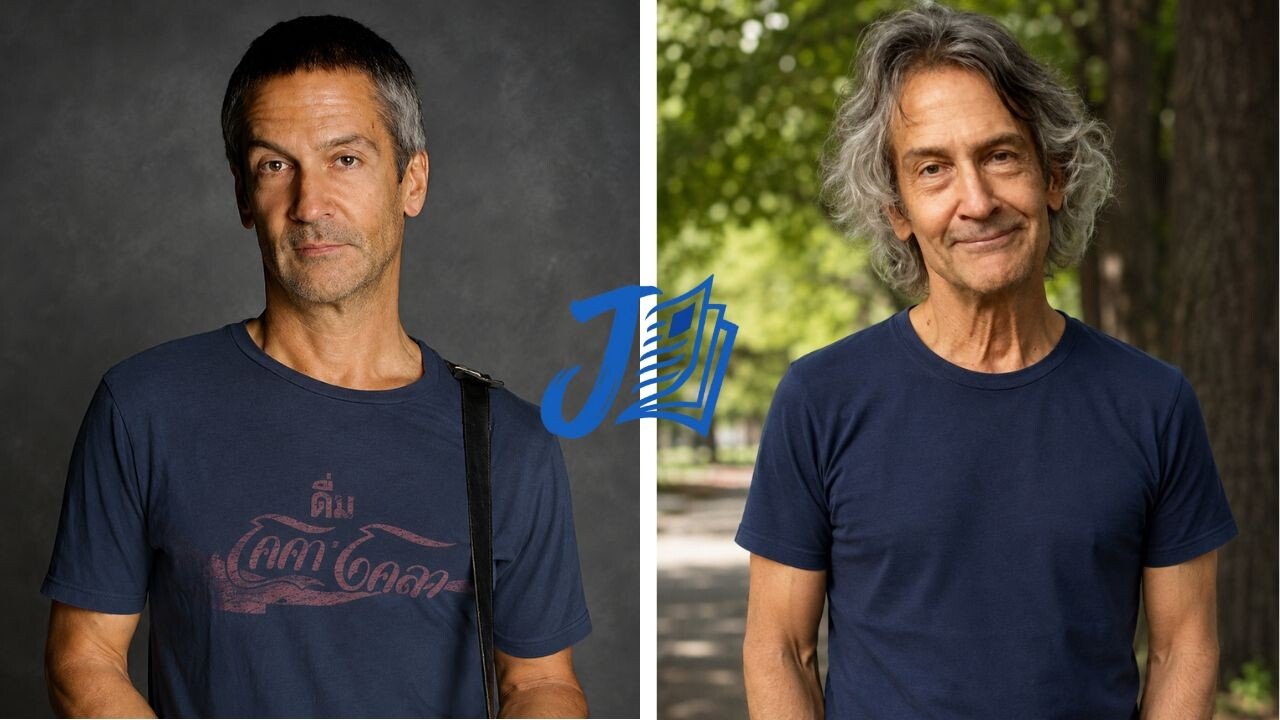
Billy Squier is best known for a long professional career as a singer, songwriter, guitarist, performer, and producer, but his verified public record also includes years of volunteer service in New York City’s Central Park. Born William Haislip Squier in Wellesley, Massachusetts, he developed his interest in guitar while still young and later built a career in which creative control became increasingly important to him.
Outside his professional work, Squier has spoken directly about his interest in nature and the role that Central Park played in reconnecting him with ordinary life beyond the entertainment business. The Central Park Conservancy independently documented that commitment, listing him among volunteers with 15 to 19 years of service as of 2017.
| Field | Details |
|---|---|
| Full name | William Haislip Squier |
| Birthplace | Wellesley, Massachusetts |
| Education | Wellesley High School alumnus |
| Profession | Singer, songwriter, guitarist, performer, and producer |
| Current city | Manhattan, New York |
| Public service | Long-term Central Park volunteer |
| Volunteer record | 15 to 19 years of service documented by the Central Park Conservancy as of 2017 |
A Long Professional Career Built Around Creative Independence
Squier has worked as a songwriter, guitarist, singer, performer, and producer, giving him involvement in both the creative and technical sides of his work.
His interest in guitar began well before his professional career. In a 2026 Guitar World interview, he recalled buying his first electric guitar at about 13. By roughly 14, he was playing in a high-school group called the Reltneys, whose earliest performances included a church-hall dance. Those ages come from Squier’s own later recollection, but they provide a clear first-person account of how early he began developing his craft.
As his career progressed, creative independence became especially important. In a 2006 interview with Vintage Guitar, Squier described becoming increasingly dissatisfied with the relationship between artistic development and major-label business priorities. He said the situation reached a point where a Capitol executive decided he no longer fit the company’s plans, after which he chose to walk away from that system.
He described the change as a professional decision tied to his dissatisfaction with the major-label system. He later pursued a more stripped-down approach that emphasized voice, guitar, and direct performance rather than extensive studio manipulation. Squier described that change as a deliberate challenge to himself and part of a broader effort to work according to his own artistic standards.
In a 2025 Goldmine interview, he also discussed the importance he places on artistic development. He explained that he created some of his later work by choosing different musicians to suit the needs of each piece, rather than relying on one fixed approach. His comments point to a career shaped not only by public recognition but also by ongoing decisions about how he wanted his work made.
Why Central Park Became Important Outside His Career
One of the clearest verified aspects of Squier’s life outside professional work is his connection with Central Park.
Speaking to Vintage Guitar in 2006, he described becoming deeply interested in nature and spending time tending an area of the park. He said the experience helped reconnect him with everyday life outside the business environment that had occupied much of his professional career.
His comments describe hands-on involvement with the park and a desire to spend time outside the professional environment that had occupied much of his career.
Central Park also had a practical connection to the city where he lives. In a June 2026 interview, Squier said he resides in a large building on Central Park West in Manhattan. That places the park within the setting of his everyday life, although his comments did not provide or require any more specific residential information.
Squier has spoken directly about his interest in nature and described working in Central Park as a meaningful way to spend time outside his professional environment.
His Documented Record of Central Park Volunteer Service
Squier’s Central Park involvement is supported by more than interview recollections.
The Central Park Conservancy’s 2017 Annual Report listed Billy Squier among volunteers who had accumulated 15 to 19 years of service as of June 30, 2017. That organizational record independently confirms that his involvement spanned many years.
The Conservancy record independently documents the length of Squier’s volunteer service. His 2006 comments and the organization’s later volunteer listing align on the central point that he spent a substantial period contributing time to the park.
The 2017 record documents his long-term service through that period but does not establish how frequently he volunteered in 2026.
Even with that limitation, the record adds an important dimension to his public profile. His connection to Central Park was sustained enough to appear in the Conservancy’s formal annual documentation, making it one of the better-confirmed aspects of his life beyond his professional career.
Personal Outlook and Working Habits He Has Described Himself
Recent interviews provide useful first-person detail about how Squier approaches work and how he describes himself.
In the June 2026 Guitar World interview, he described an unusual mix of professional confidence and personal self-consciousness. He said experiences growing up left him with a continuing fear of embarrassing himself or being considered inadequate, even as he developed strong confidence in his musical direction.
His comments provide his own account of the confidence and self-consciousness he has experienced.
His current working habits are similarly specific. Squier said he rarely practices in a formal or routine way now. Instead, he tends to focus intensely when he needs to work through a particular challenge. Looking back at his teenage years, he recalled repeatedly listening to Eric Clapton solos and figuring them out by ear.
That learning method still influences the advice he gives younger players. He has encouraged musicians to develop their ears and build an individual relationship with their instrument rather than depending entirely on visual tutorials or step-by-step demonstrations.
Squier has also spoken about his listening preferences. In 2025, he said he remains strongly attached to vinyl and keeps a vintage component system for playing records. He described a preference for the qualities he hears in well-made analog recordings, while acknowledging that this is part of his own artistic perspective.
He also said he does not listen to much new material and misses the kind of radio environment through which he once discovered distinctive work. His comments about current rock follow the same practical tone: he does not consider the form dead, but believes it now occupies less cultural and commercial space and therefore has a harder time reaching audiences.
Life in Manhattan and Continued Public Presence
He remains publicly active through selected appearances, interviews, and updates on his official website.
In his 2026 Guitar World interview, he identified Central Park West in Manhattan as his current residential area. During that conversation, he also recalled a basement fire in his building several years earlier. He said he left with his dog and a valued guitar, and the situation ended without serious personal loss.
His comments identify Manhattan as his current base and provide a limited first-person glimpse of his day-to-day life.
He also maintains an official digital presence. His official website links directly to established Facebook, Instagram, and YouTube accounts, making those the clearest confirmed social channels.
Public activity has also continued through recent appearances and interviews. In April 2026, he appeared at Princeton Record Exchange for Record Store Day, tied to a newly issued deluxe vinyl release. His official website later posted a recap of the event, and Guitar World published a substantial new interview with him in June.
These updates show he remains available for select public appearances, professional discussions, and catalog-related work, even after stepping away from the conventional major-label structure that defined an earlier phase of his career.
How Public Service Adds Context to Billy Squier’s Career
Billy Squier’s verified history extends beyond his professional work. His career developed through decades of performing, writing, producing, and making increasingly independent creative decisions, while his life outside that environment included a long and formally documented connection to Central Park.
In interviews, he explained why the park became important to him. He described nature and hands-on work there as a way to reconnect with ordinary life beyond professional demands. The Central Park Conservancy later documented 15 to 19 years of volunteer service, giving that part of his story institutional support.
His more recent interviews also present a person still engaged with his craft, his working habits, and his views on how creative work changes with time. Within the limits of what he has publicly confirmed, the clearest picture is of a long professional career existing alongside years of sustained community involvement in the city he calls home.
You can also read: Paul Ratliff Linked Ethnographic Research With Clinical Therapy.